Death Valley National Park with Kids: A 4-Day Family Itinerary
Visiting Death Valley National Park with kids might sound intense—and honestly, it can be if you don’t plan it right. But with a slow-paced, well-structured itinerary, it becomes one of the most unique and memorable family road trips in the U.S.
This 4-day Death Valley National Park with kids itinerary is designed to keep things safe, flexible, and fun while hitting the park’s most iconic landscapes without overwhelming your kids (or yourself).
You’ll also learn when to visit Death Valley with kids and discover the best stops in Death Valley for families so you can plan a stress-free adventure.
Is Death Valley National Park with Kids a Good Idea?
Yes—but timing is everything.
Death Valley is not a typical national park with shaded trails and cool forests. Instead, it’s a land of salt flats, colorful canyons, sand dunes, and vast desert landscapes. The key to visiting with kids is avoiding extreme heat and planning short, high-impact stops instead of long hikes.
If you approach it like a “drive-and-explore scenic adventure” rather than a hiking-heavy destination, it becomes surprisingly kid-friendly.
When to Visit Death Valley with Kids (This is CRITICAL)
If you take away one thing from this post, let it be this: when to visit Death Valley with kids matters more than anything else.
Best Time to Visit:
- November through March
- Ideal temperatures: 60–75°F (perfect for kids)
This is the only realistic window for families, especially if you want to step outside the car comfortably.
Avoid:
- May through September (dangerous extreme heat, often over 110°F+)
- Even April and October can still be very hot midday
Why winter is perfect for families:
- You can explore viewpoints without rushing
- Kids won’t be at risk of overheating
- You can actually enjoy short walks and photo stops
How to Get to Death Valley National Park
Death Valley National Park is located in eastern California near the Nevada border, and because of its remote location, getting there is part of the adventure. The park is about a 2-hour drive from Las Vegas, making Las Vegas Harry Reid International Airport (LAS) one of the most convenient airports to fly into if you’re visiting from out of state.
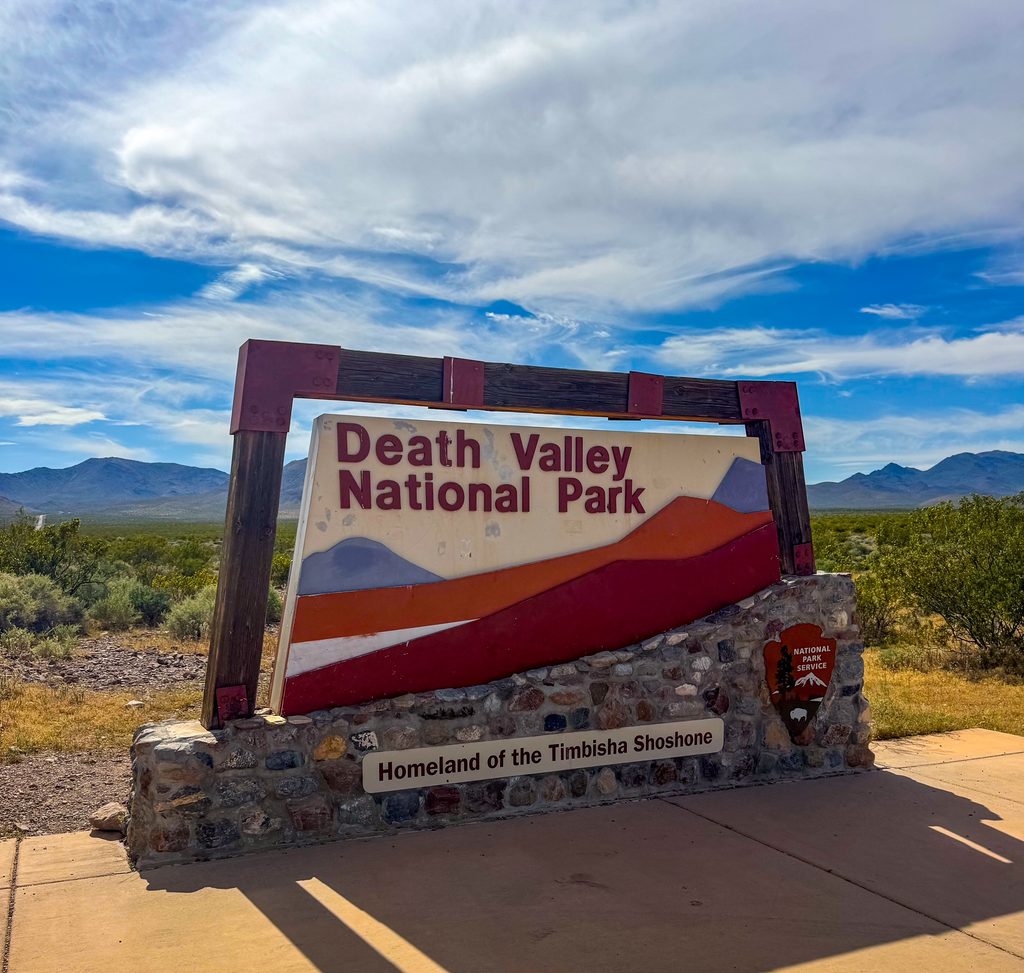
From Las Vegas, you can rent a car and drive to the park, with several possible routes depending on which entrance and area you plan to visit. If you’re traveling from Los Angeles, Death Valley is roughly a 4.5- to 5-hour drive.
No public transportation or shuttle service connects major cities to the park, so you’ll need your own vehicle to explore. Keep in mind that Death Valley is enormous, and distances between attractions can be much greater than they appear on a map.
Helpful Tips:
- Fill up your gas tank before entering the park
- A few gas stations and general stores are in the National Park, but be prepared to pay a premium.
- Download maps ahead of time
- Don’t rely on cell service once you’re inside.
- Bring plenty of water with you
- Pack sunscreen, hat, and sunglasses
Helpful Packing Tip
We placed a Walmart order for pickup before we began our journey to Death Valley. That way, we didn’t pay top dollar in the National park for groceries. We purchased a Styrofoam cooler and ice to keep our deli meat, yogurts, and milk cold. Once we unloaded everything into our hotel fridge, we kept using the cooler every day by refilling it with hotel ice to keep our drinks cold while we explored. At the end of the trip, we gifted it to another family just arriving, so they could use it!
Where to Stay in Death Valley National Park with Kids
For our four-day family trip to Death Valley, we stayed at The Oasis at Death Valley, and its location made a huge difference when traveling with kids. Located right in the heart of the park at Furnace Creek, The Oasis puts you close to many of Death Valley’s most popular attractions, which means less time spent driving and more time exploring. This was especially helpful because Death Valley is massive, and having a place to come back to between adventures gave us the opportunity to slow down, cool off, grab a snack, and recharge before heading back out.
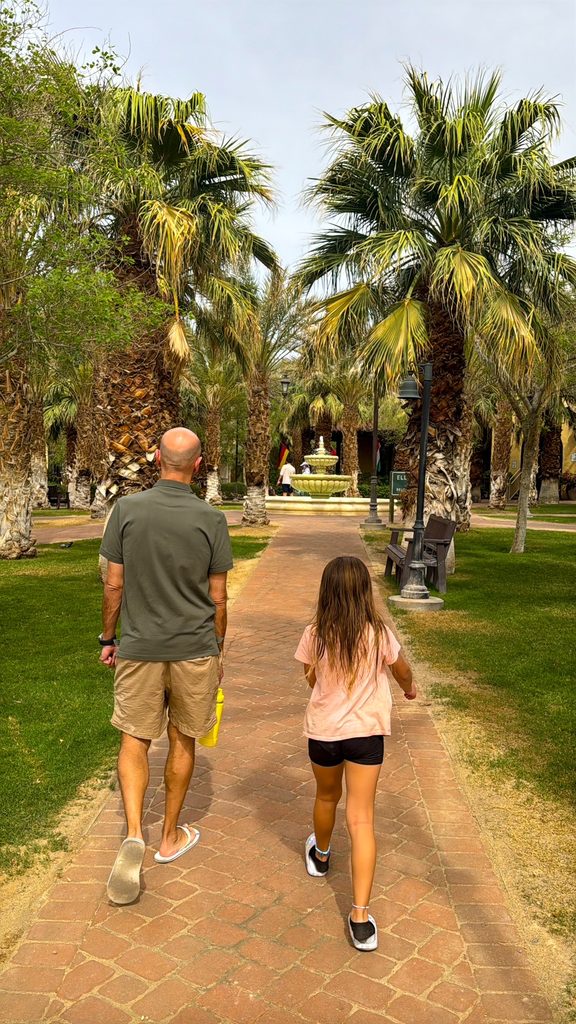
The Oasis is actually home to two different lodging options: The Inn at Death Valley, a more upscale resort, and The Ranch at Death Valley, which offers a more casual, family-friendly atmosphere.
We stayed at The Ranch, which was a great fit for our family. The property has a pool, restaurants, and plenty of open space for kids to stretch their legs after spending time in the car. Its Furnace Creek location also makes it a convenient home base for a Death Valley National Park itinerary with kids, particularly if you’re planning to spend several days exploring the park.
Reality: The Oasis at Death Valley is a splurge, regardless of which property you stay at, with the Ranch being the more affordable of the two. While staying at the Ranch at Death Valley, don’t expect an upscale resort. Rather, a simple hotel room with a mini-fridge. There were no microwaves.
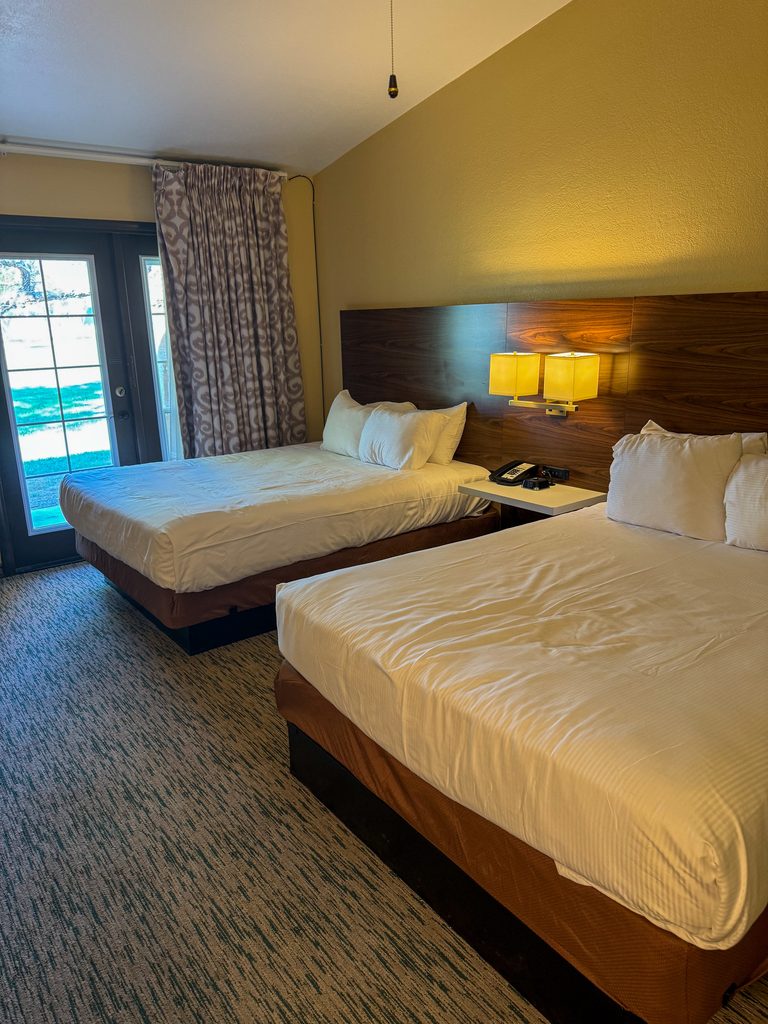
You will spend most of your time exploring Death Valley in the morning and evening. The afternoon sun gets HOT! We often came back to the hotel around 1 pm for lunch and swimming, then ventured out again once it started to cool off.
One of the biggest advantages of staying inside Death Valley National Park is simply convenience. You don’t have to drive in and out of the park every day, and you can plan your sightseeing around the cooler parts of the day. This is especially important when you’re visiting with children because temperatures can change dramatically throughout the day. Being able to return to your hotel for a break can make the difference between an enjoyable family adventure and everyone being completely exhausted.
Day 1: Arrival + Ghost Town
Day 1 is all about getting settled into the desert landscape without overdoing it. Many families will fly into Las Vegas, rent a car, and start their drive to Death Valley. That is a lot of travel in one day. If you’re traveling with younger children, consider an overnight in Las Vegas before the 2-hour drive.
We opted to do the drive after the flight, but broke it up with a few pit stops along the way to stretch our legs and see the sights.
Seven Magic Mountains
During your drive from Las Vegas to Death Valley, consider adding 7 Magic Mountains to your road trip. About 10 miles south of Las Vegas, this colorful outdoor art installation features seven towering stacks of brightly painted boulders set against the Mojave Desert. The vibrant colors make for a fun, quick photo stop and a cool contrast to the desert landscape you’ll see throughout Death Valley.
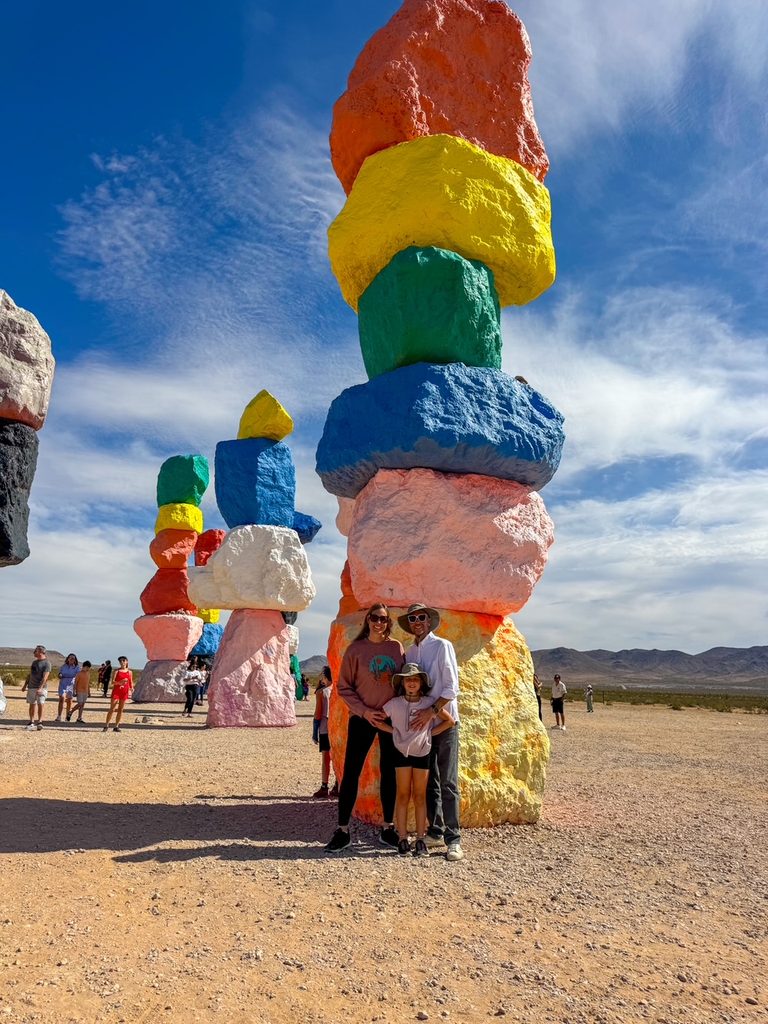
It is completely free to visit, has a designated parking lot, and is an easy 10-15 minute stop.
Address: S Las Vegas Blvd, Las Vegas, NV 89054
Pioneer Saloon
After Seven Magic Mountains, we stopped to grab a bite to eat at the Pioneer Saloon. This historic Old West saloon dates back to 1913 and is packed with vintage memorabilia, old photographs, and plenty of Wild West character. It feels like stepping back in time, and it’s a fun stop for older kids who will enjoy exploring the place’s quirky history.
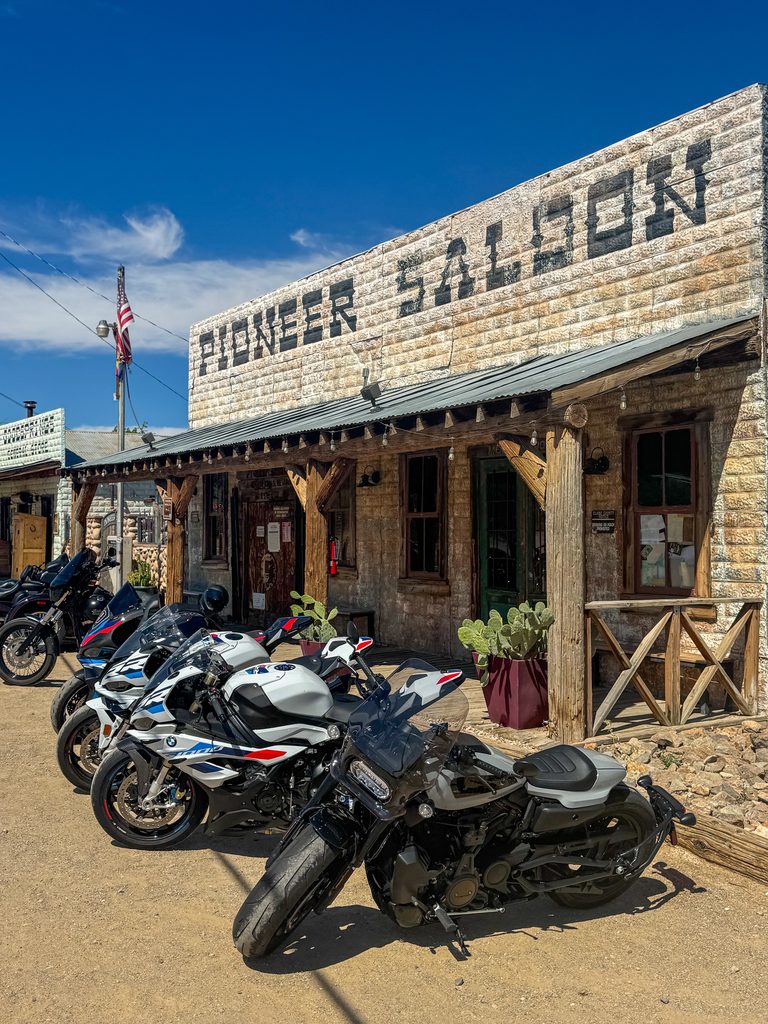
Tip: Yes, families can visit Pioneer Saloon — but know what you’re getting into. It’s a historic, working Old West bar, not a traditional family attraction. Kids are welcome on the property and in the dining/outdoor areas, but the main saloon is 21+. The saloon also cautions parents that language and entertainment can be adult-oriented, so I’d visit during the day and use your judgment based on your kids’ ages and personalities.
Address: 310 W Spring St (also known as NV-161), Goodsprings, NV 89019
Area 51 Alien Center
Just outside the infamous Area 51, the Area 51 Alien Center is a quirky roadside stop that leans all the way into the alien lore surrounding this mysterious part of Nevada.

You’ll find plenty of alien-themed souvenirs, unusual photo opportunities, and even a giant alien statue that makes for a fun roadside photo op. It’s definitely touristy and a little kitschy—but that’s part of the fun, especially if you’re traveling with kids who are fascinated by aliens and Area 51.
Bonus: There is a gas station here, so fill up if needed!
Address: 5388 US-95, Amargosa Valley, NV 89020
Explore the Ghost Town Of Rhyolite
Rhyolite is one of the most fascinating ghost towns near Death Valley, offering a glimpse into the boom-and-bust story of Nevada’s mining past. Founded in 1905 after gold was discovered in the area, the town grew rapidly before its mines dried up and residents moved on just a few years later.
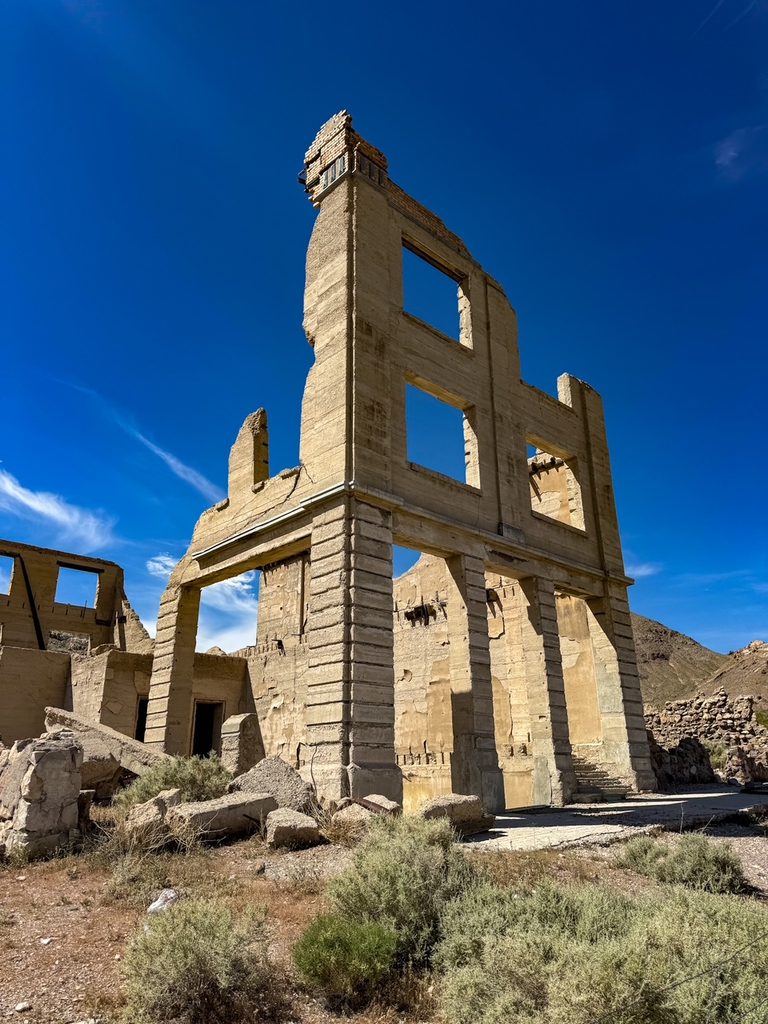
Today, you can wander among the remains of old buildings and foundations, making it a surprisingly cool stop for families interested in history, the Old West, and a little bit of ghost-town adventure.
Don’t Miss The Goldwell Open Air Museum! It is a completely free outdoor art installation just outside Rhyolite Ghost Town, featuring larger-than-life sculptures scattered across the Mojave Desert. From a ghostly version of The Last Supper to the towering Pink Lady, the unusual artwork makes this an unexpected and fun stop on a Death Valley road trip.
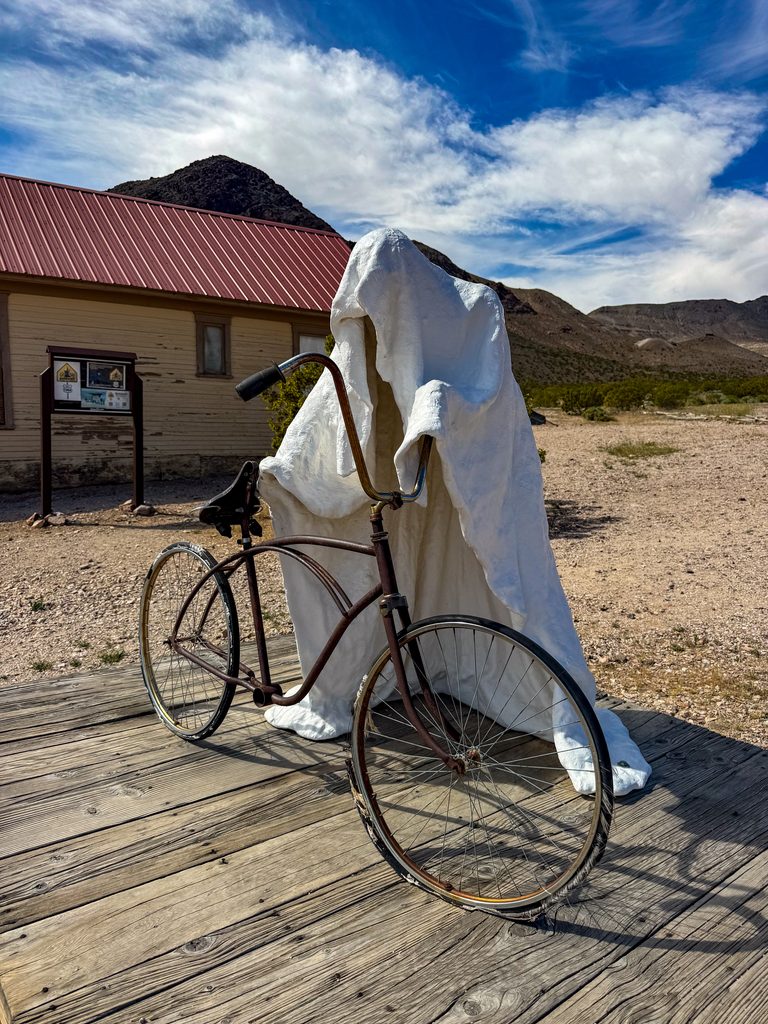
Address: off Highway 374, Beatty, NV 89003
Furnace Creek Visitor’s Center
Before heading to the Oasis, make a stop at the Furnace Creek Visitor Center (right next door) to get your park pass and pick up the latest information for your visit.
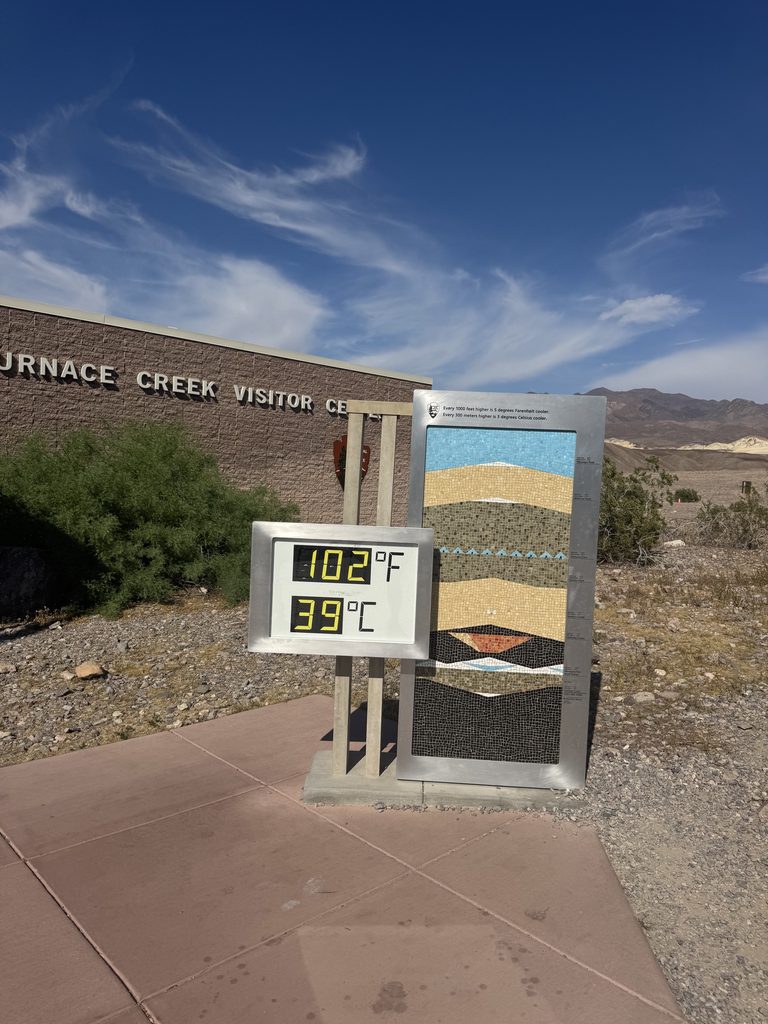
Tip: If you have a fourth grader, sign up for a free 4th Grade Pass through Every Kid Outdoors, which provides free admission to national parks for the student and their family. Do it before you arrive, as service is not great.
This is also a great place to check for current trail conditions, road closures, weather updates, and ranger recommendations. Grab a park map, sign up for the Jr. Ranger Program, and get any other information you’ll need before heading out—conditions in Death Valley can change quickly, so it’s worth getting the latest updates before you go.
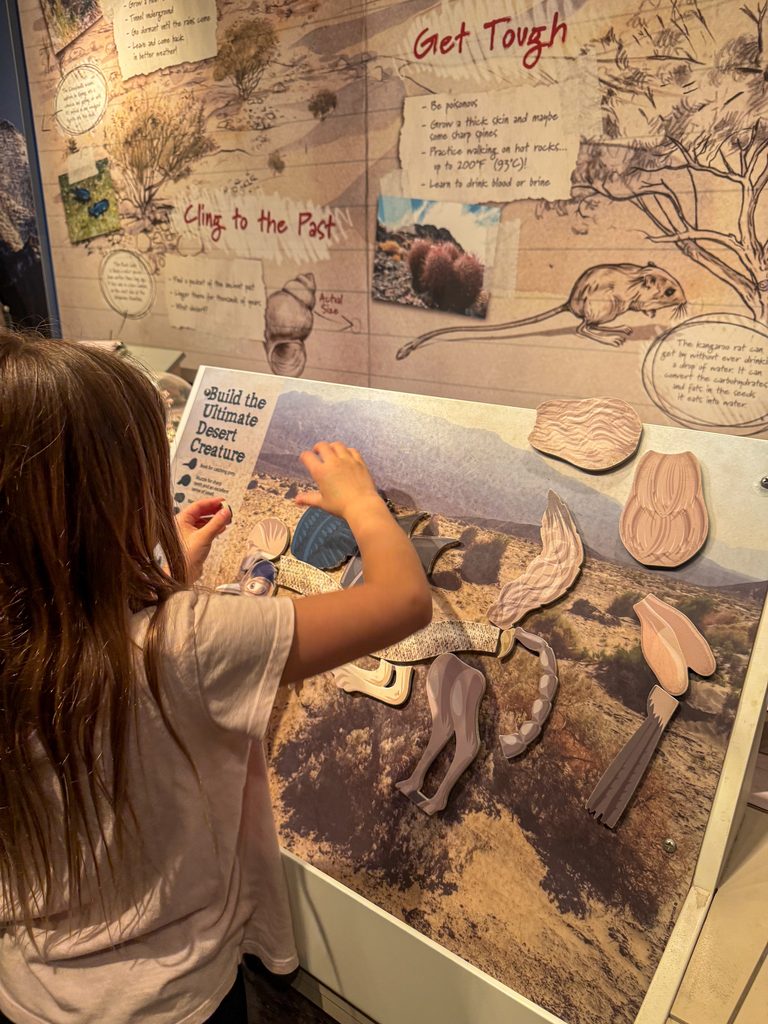
A few things to ask the Rangers:
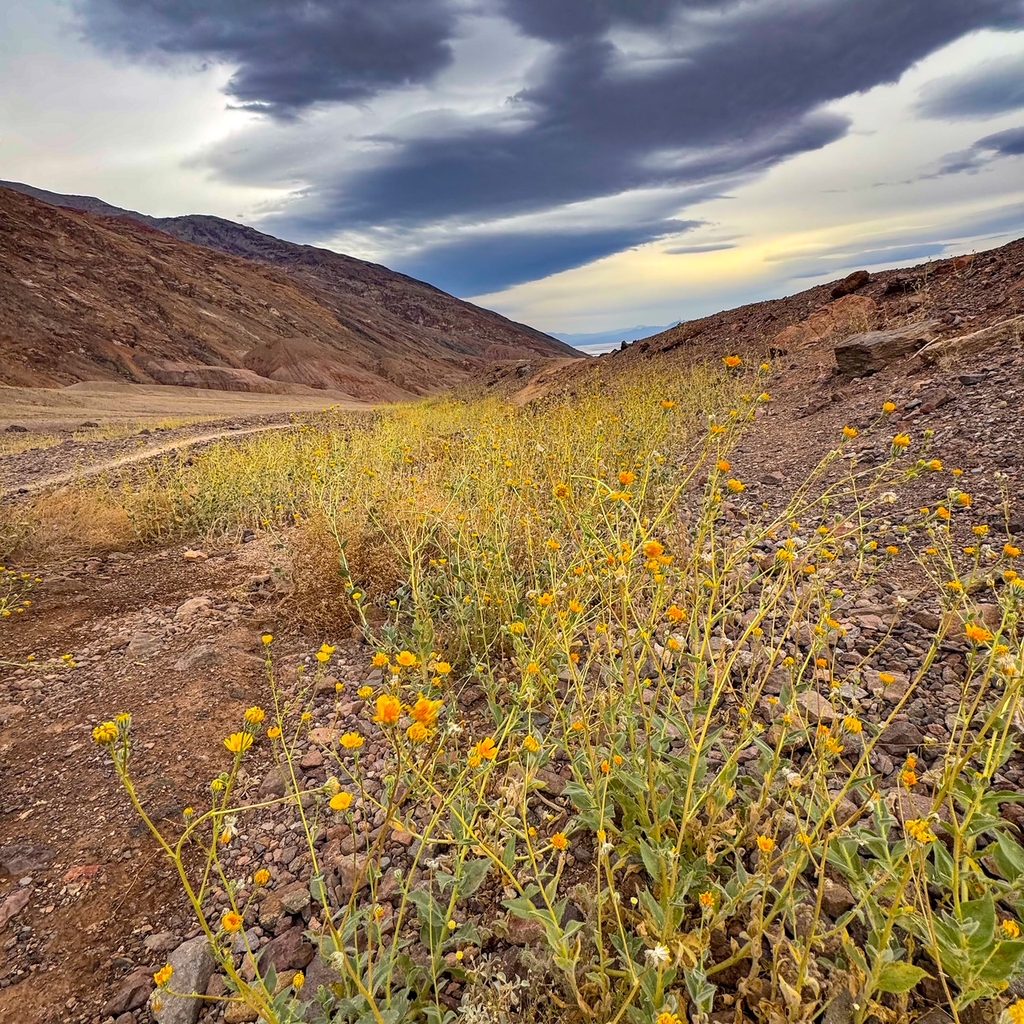
- If you visit during wildflower season, ask the Park Rangers the best spots to see them!
- See if Lake Manly is currently present over Badwater Basin. It is a temporary body of water that occasionally forms.
- Ask the Rangers for the best trails for your family.
- Stargazing conditions, times, and top stargazing spots.
Address: Airport Rd, DEATH VALLEY, CA 92328
Check in at the Ranch at The Oasis
Check-in begins promptly at 4:00 pm, with many families eager to get into their rooms, so expect a bit of a wait. The Ranch is quite large, so after check-in, you will drive to your building with your unit. The Ranch has a handful of restaurants, which book up quickly because there’s nothing else nearby for miles. I highly recommend making a reservation.
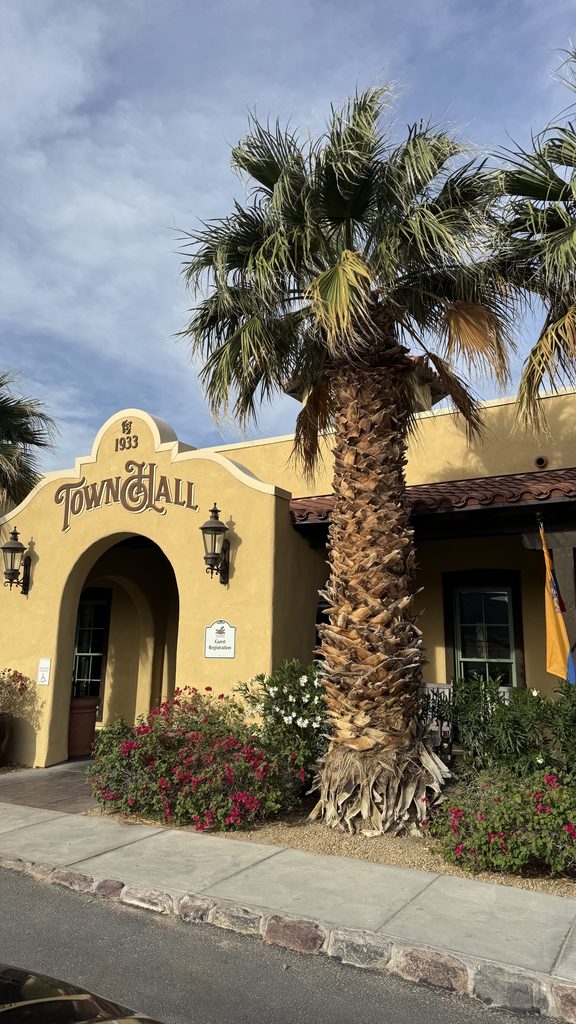
Tip: Reservations book up way in advance. Make these reservations weeks in advance; however, you can always check to see how long the wait is.
After we had dinner at The Last Kind Words Saloon, we took the evening to explore the Ranch, grab ice cream, and relax.

Day Two: Scenic Sunrise + Horseback Riding
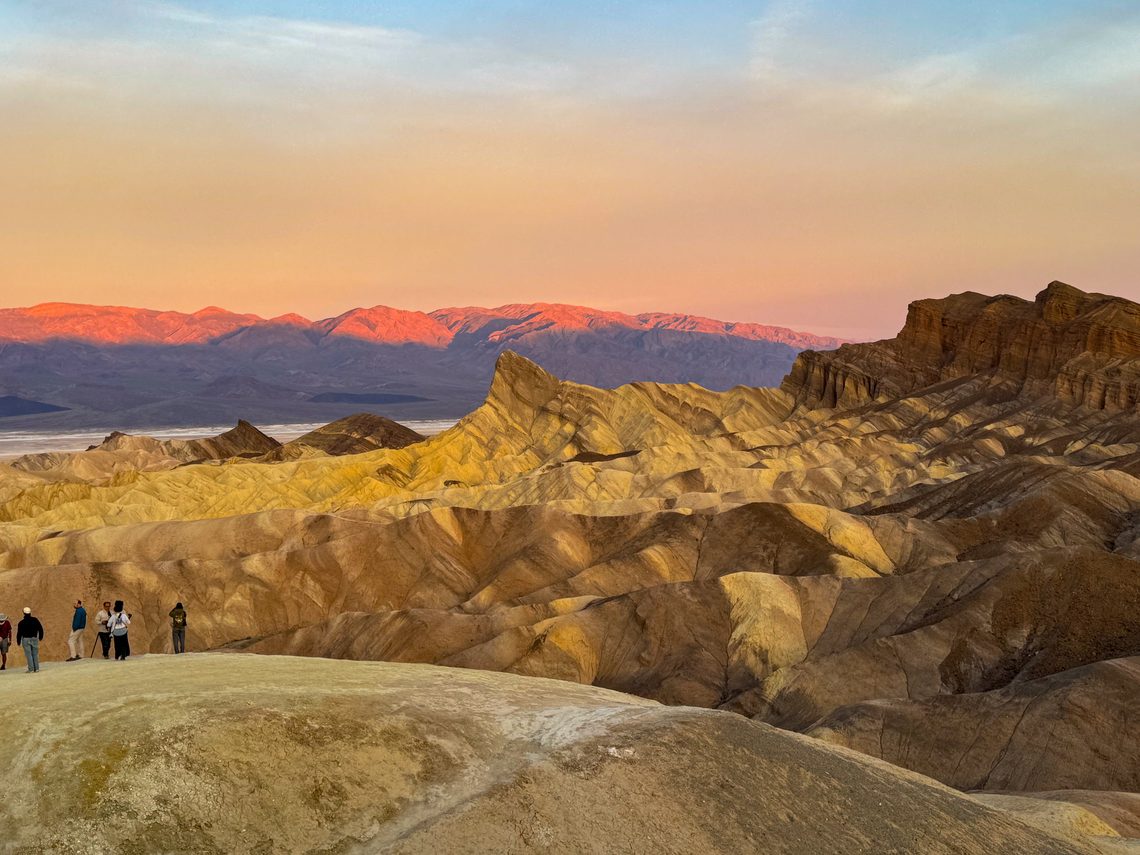
Stop 1: Catch The Sunrise at Zabriskie Point
Set your alarm to get up and catch one of the prettiest sunrises in Death Valley. Zabriskie Point is one of the park’s easiest viewpoints with unreal landscape views. It is a short walk from the parking lot, and no hiking is required to snag those perfect photos!
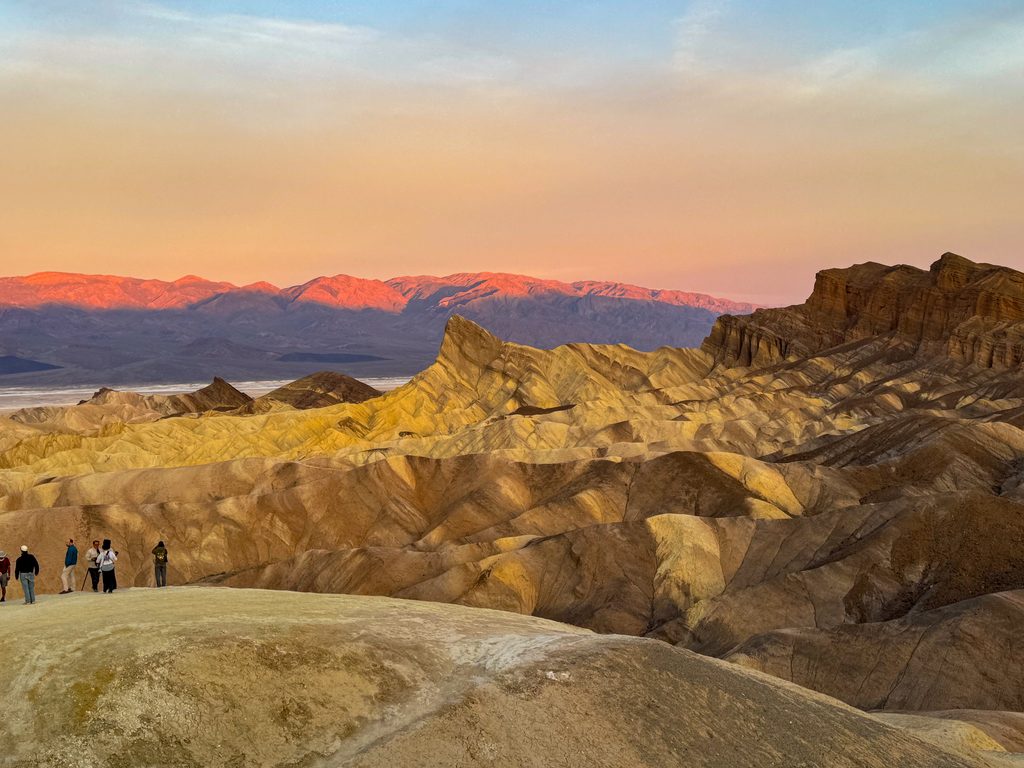
Try to get there before sunrise to capture those gorgeous sunrise photos!
Stop 2: Golden Canyon Trail
After catching the breathtaking sunset at Zabriskie Point, you will want to get in some morning hiking before the temperatures start to rise. Head to the Golden Canyon Trail, a 3-mile out-and-back trip, with plenty of towering cliffs and jutting mountains.
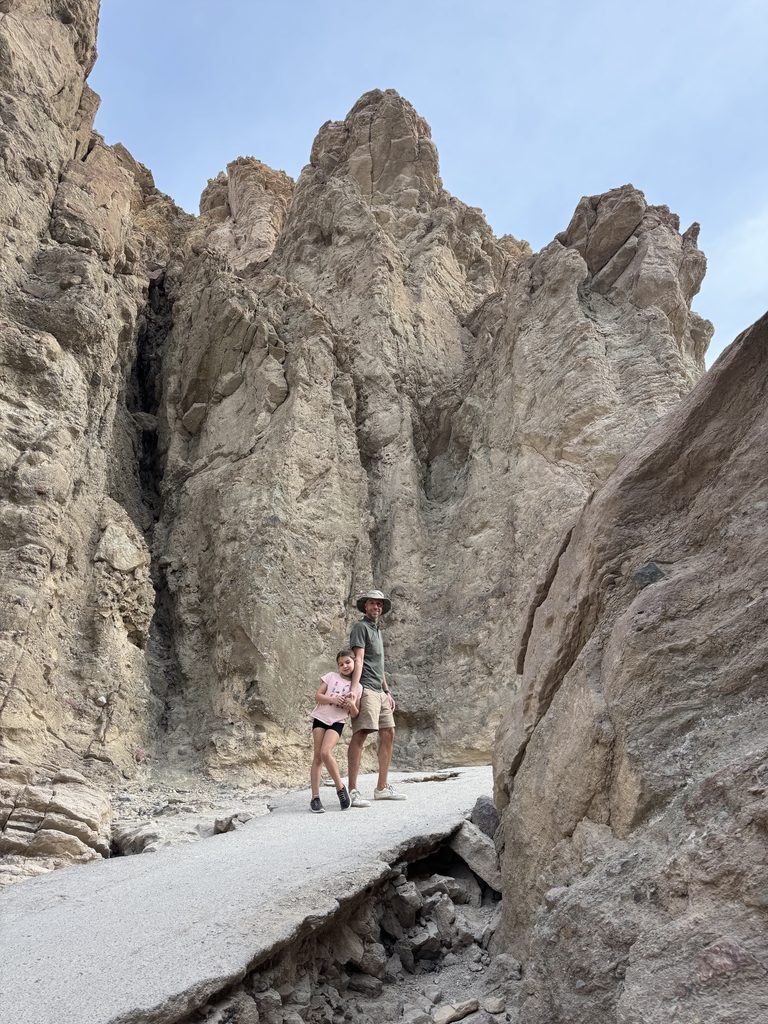
Golden Canyon is one of the best places to experience Death Valley’s colorful desert landscape up close. The trail winds through towering golden and red rock walls, and you don’t have to hike the entire trail to enjoy it with kids. We found it easy to walk in for a bit, take in the scenery, and turn around when everyone had enough.
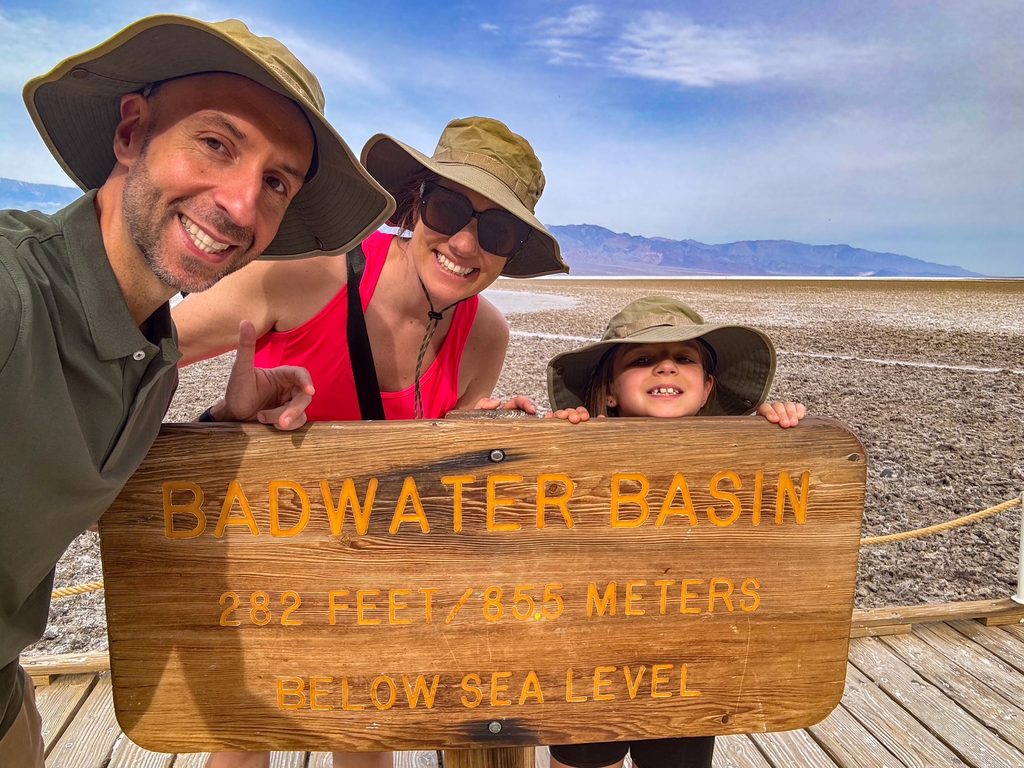
Stop 3: Bad Water Basin
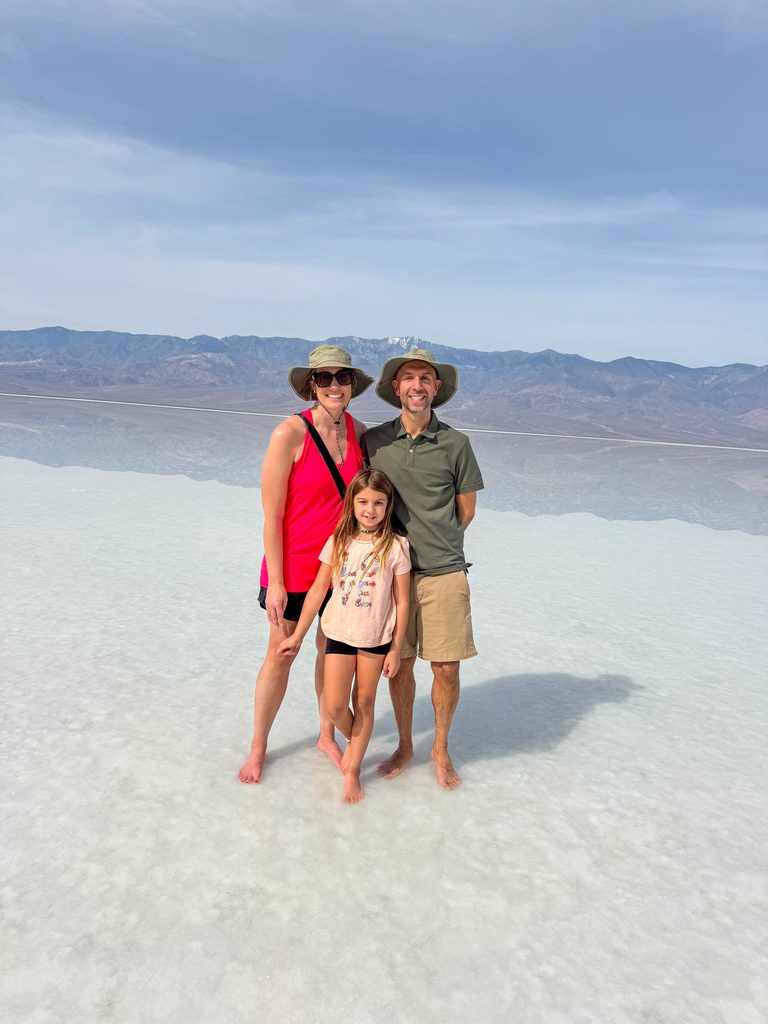
This is one of the park’s most famous landscapes. The Bad Water Basin is the lowest point in North America and offers a surreal landscape of salt flats. Kids will love seeing the hexagon patterns in the ground and walking on the crunchy salt flats.
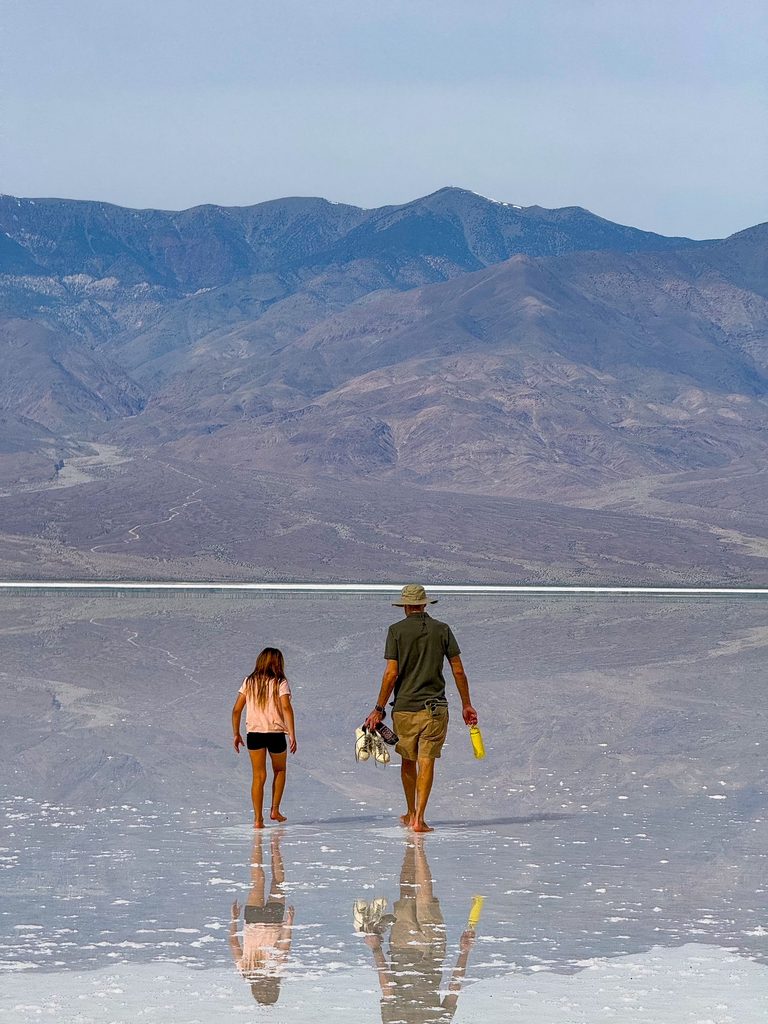
Once home to an ancient lake, Lake Manly, today visitors may get to experience the temporary lake after periods of torrential rainfall.
If Lake Manly is currently formed, make this a priority to see on your first day. Lake Manly can dry up quickly in the desert heat, and you may miss your chance. Bring a towel to the lake if you want to dip your feet in, or plan to walk back barefoot, which can be a bit prickly with the salt.
Fun Fact: Badwater Basin got its name because an early surveyor’s mule refused to drink from the spring-fed pool at the site. The water is not toxic, but it is heavily saturated with accumulated salts from the surrounding basin, making it unpotable and giving rise to the label “bad water”.
Back To The Ranch For Lunch and Swimming
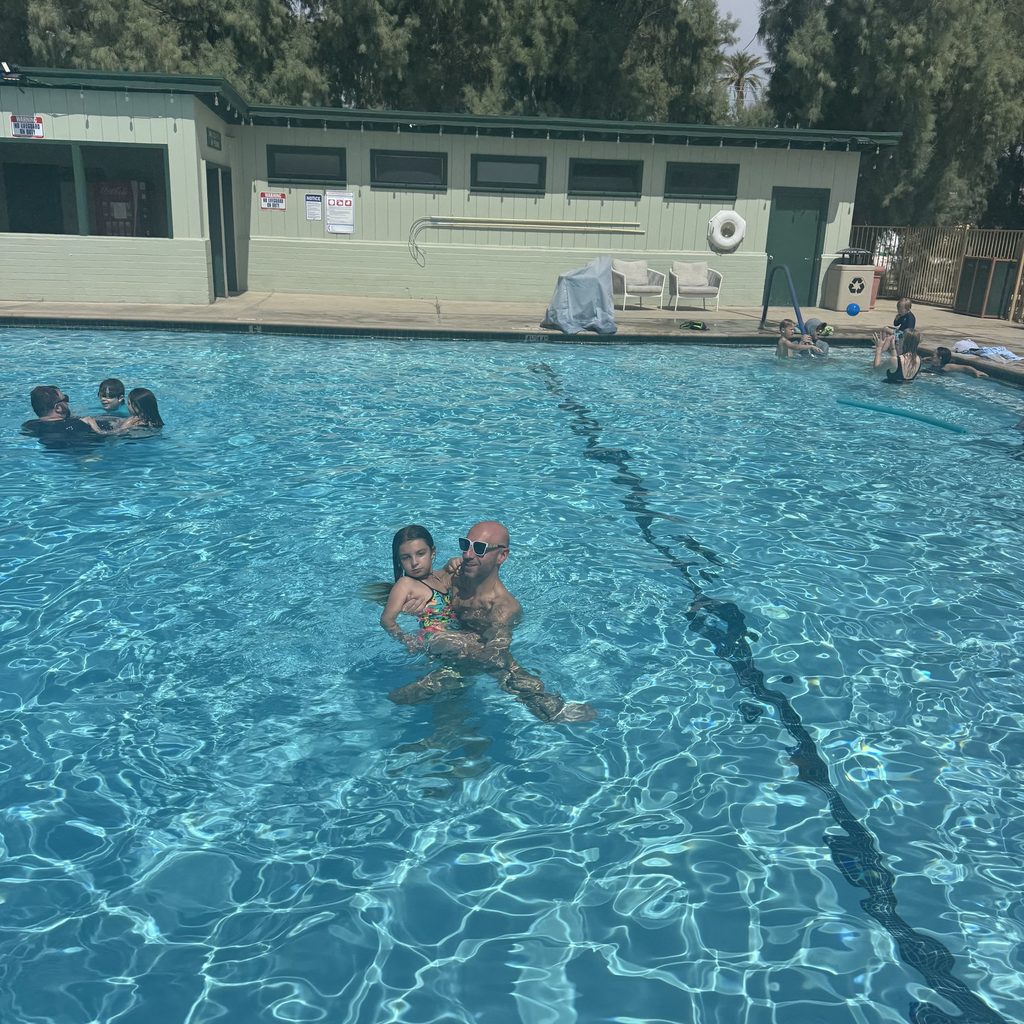
As temperatures started soaring, it was time to head back to the Ranch for sandwiches and swimming. We brought sandwich supplies, chips, and fruit for a quick lunch in our room before hanging out at the pool for the rest of the afternoon.
Dinner at the Wild Rose Tavern
The Wild Rose Tavern is a great spot for families to grab a quick, affordable bite to eat or grab a drink while at the Ranch at Death Valley. Filled with games, darts, and shuffleboard, it is a hub for families looking to beat the heat.
Sunset Horseback Ride
One of the most memorable experiences during our trip was taking a sunset horseback ride through the desert. The majestic mountains in the background with sweeping desert views made it iconic. The Furnace Creek Stables are located at the Ranch at Death Valley, offering 2-hour and 1-hour horseback rides.
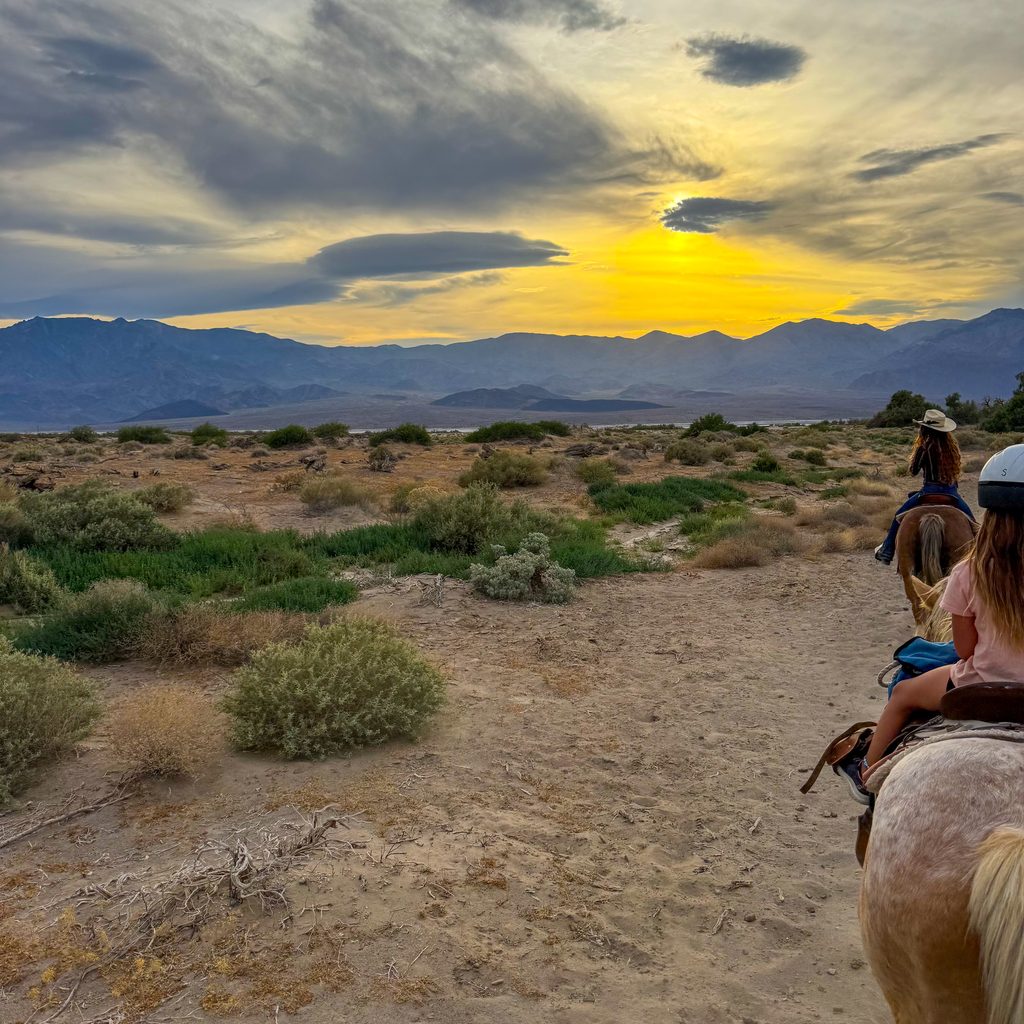
I highly recommend going at sunset to see those blazing colors against the mountain backdrop. Desert wildlife seemed to be more abundant as the sun set and temperatures sank. Our guide was incredible, and we left wanting to come back to try the full moon ride.
Day Three: Scenic Surprises + Landmarks
Stop 1: Natural Bridge Canyon
Start your morning at Natural Bridge Canyon, where you’ll follow a rocky trail into a canyon and eventually reach the natural rock bridge. The hike gives kids a chance to experience Death Valley beyond the overlooks, and you can turn around whenever you’ve had enough.
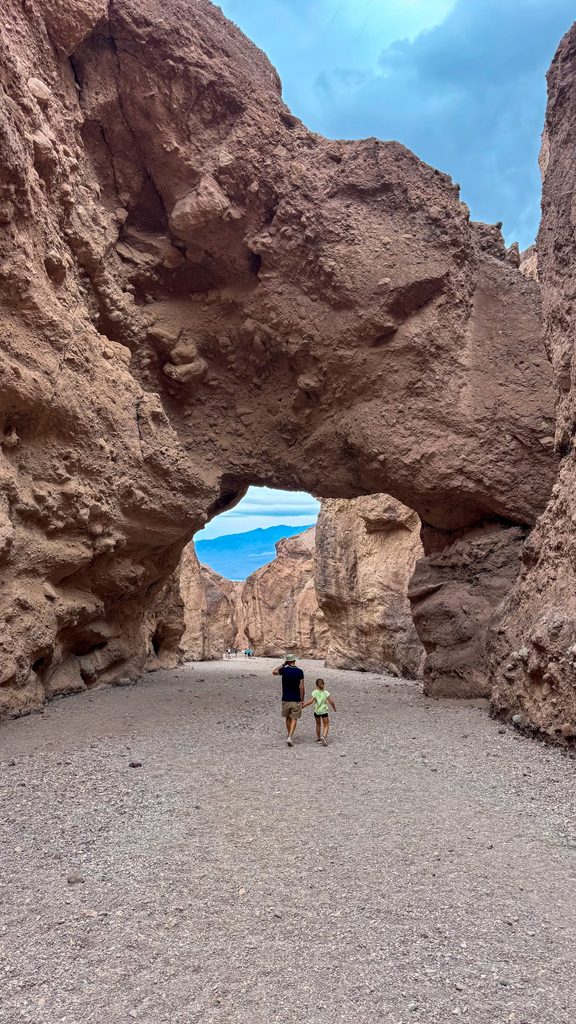
Tip: Go earlier in the day while temperatures are cooler and bring plenty of water.
This is one you can skip guilt-free. With all the other incredible spots in Death Valley, this one is the most unimpressive.
Stop 2: Devil’s Golf Course
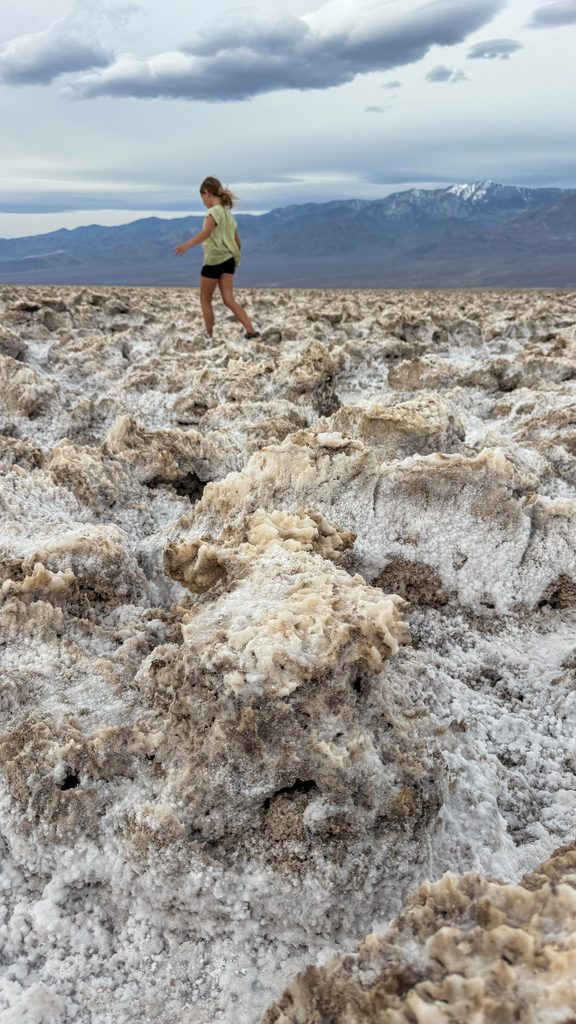
From Natural Bridge Canyon, head to Devil’s Golf Course, one of Death Valley’s strangest landscapes. The enormous field of jagged salt formations looks almost otherworldly.
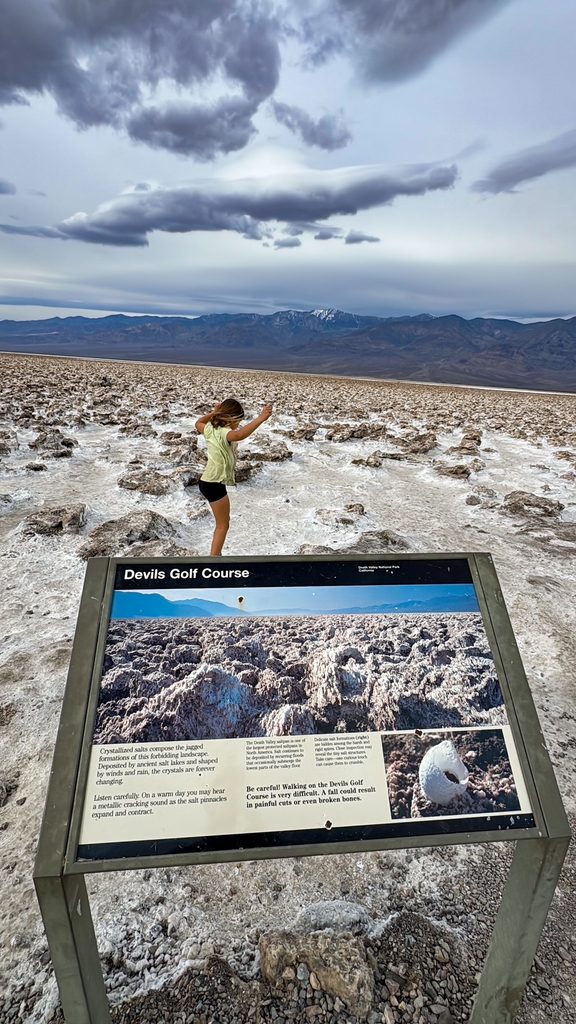
Note: This is a “look but don’t stay long” stop—it gets really windy and has rough terrain. The formations can be very sharp, so keep a close eye on kids if they choose to explore close up.
Stop 3: Step Back in Time at Harmony Borax Works
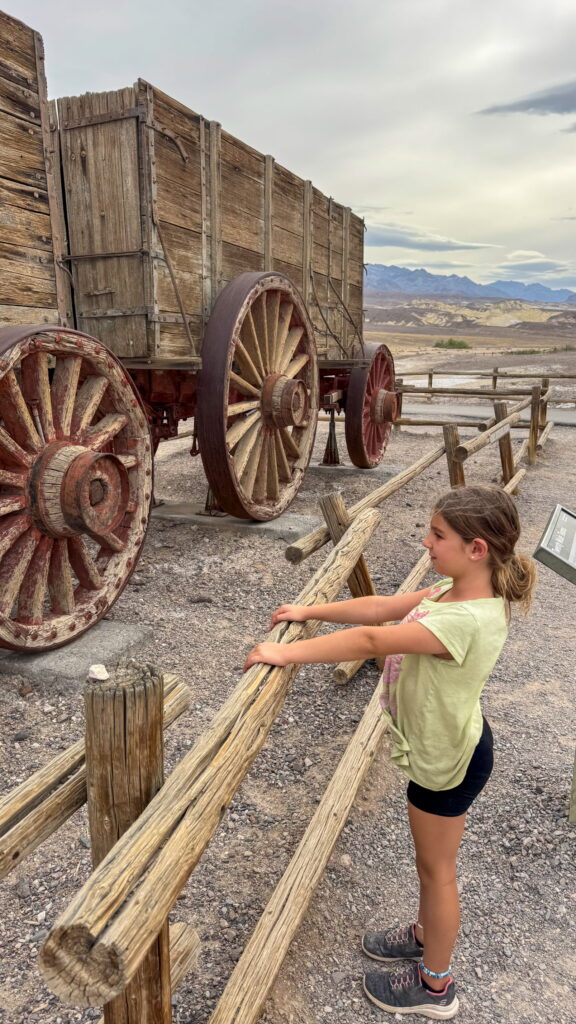
Next, make your way to Harmony Borax Works for a little Death Valley history. The short interpretive trail takes you past the remains of the historic borax operation and the iconic 20-mule-team wagons.
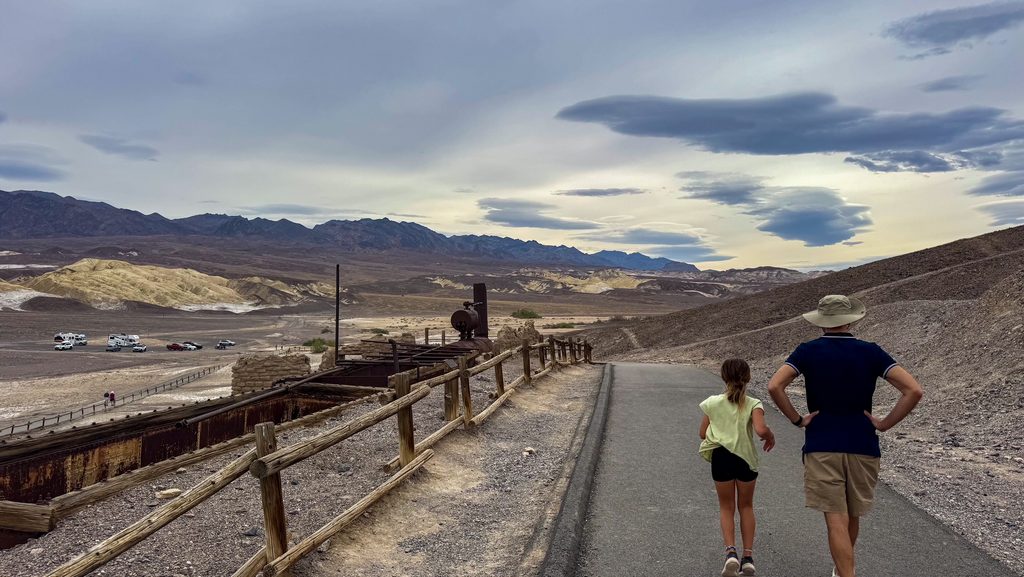
It’s an easy stop that gives kids a chance to learn how people lived and worked in this harsh environment during Death Valley’s mining days. The trail is paved, making it stroller-friendly.
Stop 4: Salt Creek Interpretive Trail
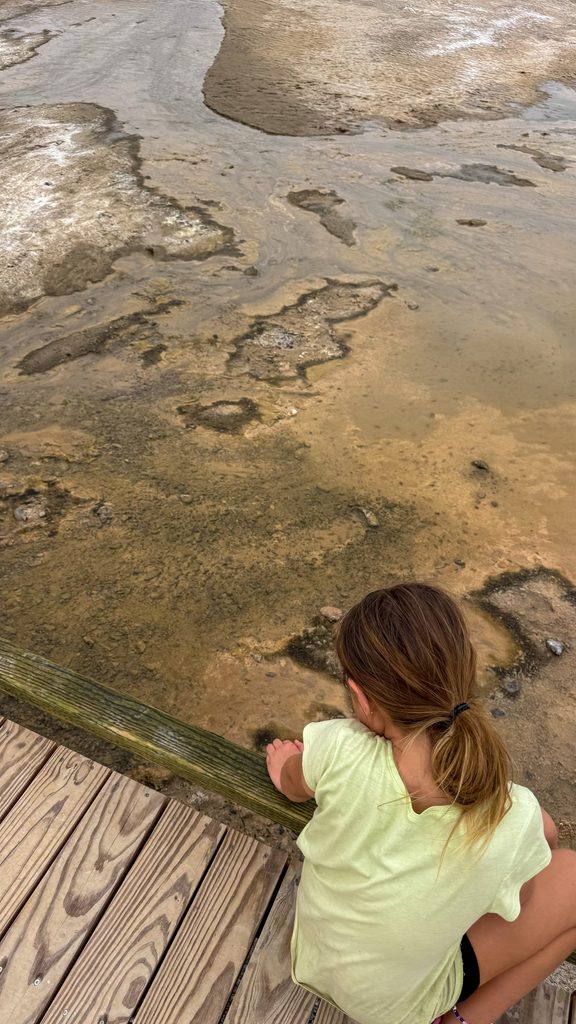
Continue on to Salt Creek Interpretive Trail, an easy boardwalk where you can learn about the unique ecosystem of Death Valley. Keep an eye out for the tiny Devils Hole pupfish, one of the park’s most fascinating residents.
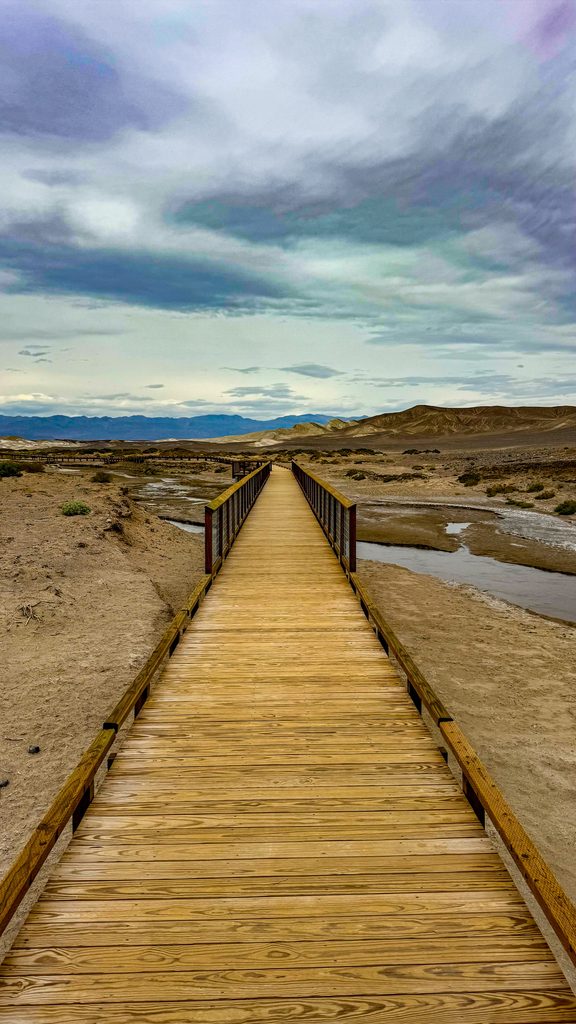
The interpretive signs make this a great stop for families because it offers an educational component without a strenuous hike.
Break for Swimming & Food
By this point, everyone will probably be ready for a break. Head back to the Ranch for some pool time, lunch, and a chance to cool off.
Afternoon/Evening: Artist’s Palette
Once everyone has recharged, head out for Artist’s Drive and Artist’s Palette. The winding scenic drive takes you through colorful mountains before reaching Artist’s Palette, where the hills are splashed with shades of pink, yellow, green, and blue created by different minerals in the rock. This was one of our favorite stops because the colors are so unexpected in the middle of the desert.
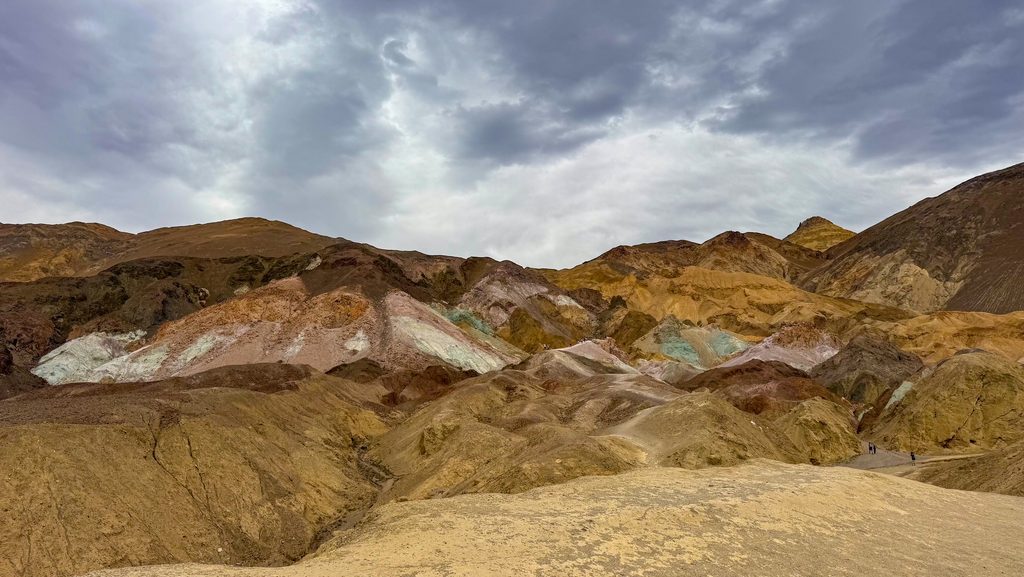
Family tip: Artist’s Drive is a one-way road with a vehicle length restriction, so check current park conditions before heading out. If you’re visiting later in the day, the changing light can make the colors especially beautiful.
Day Four: Sand Dunes, Craters and Stars
For the final full day of our Death Valley adventure, we packed in some of the park’s most recognizable landscapes before slowing down for an afternoon break and ending the day with one of the most incredible experiences in the park—stargazing at Badwater Basin.
Note: Today requires a bit of driving. We added Ubehebe Crater, about an hour from the Ranch, but it was incredible to see.
Stop 1: Mesquite Flat Sand Dunes
Start your morning at Mesquite Flat Sand Dunes, one of the most fun stops in Death Valley with kids. The massive rolling dunes give kids plenty of room to run, climb, and explore, although walking through sand is harder than it looks!
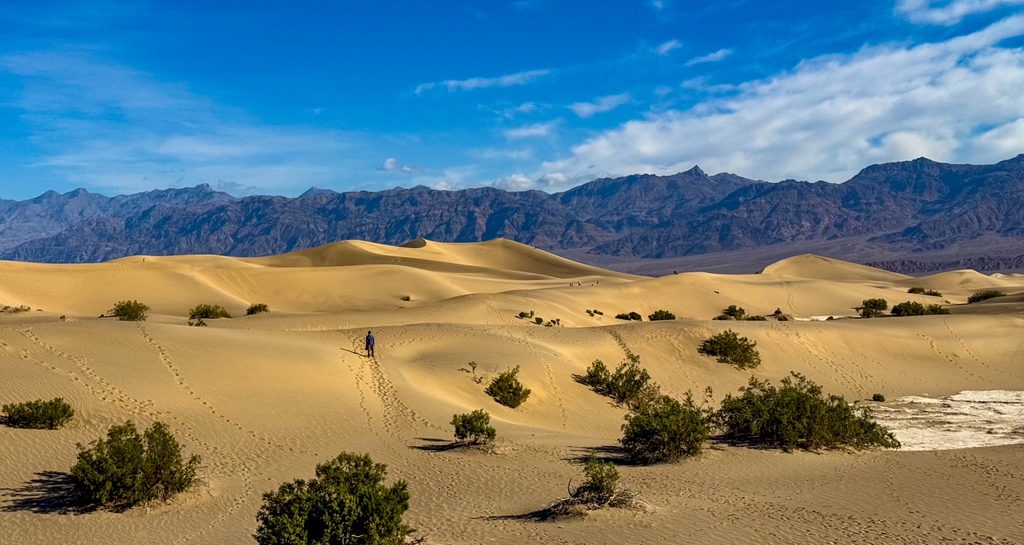
Morning is the best time to go, as the sand gets HOT while temperatures rise. We tried our hand at sand sledding with cardboard but failed miserably. We even tried the candle wax at the bottom, but we didn’t move an inch.
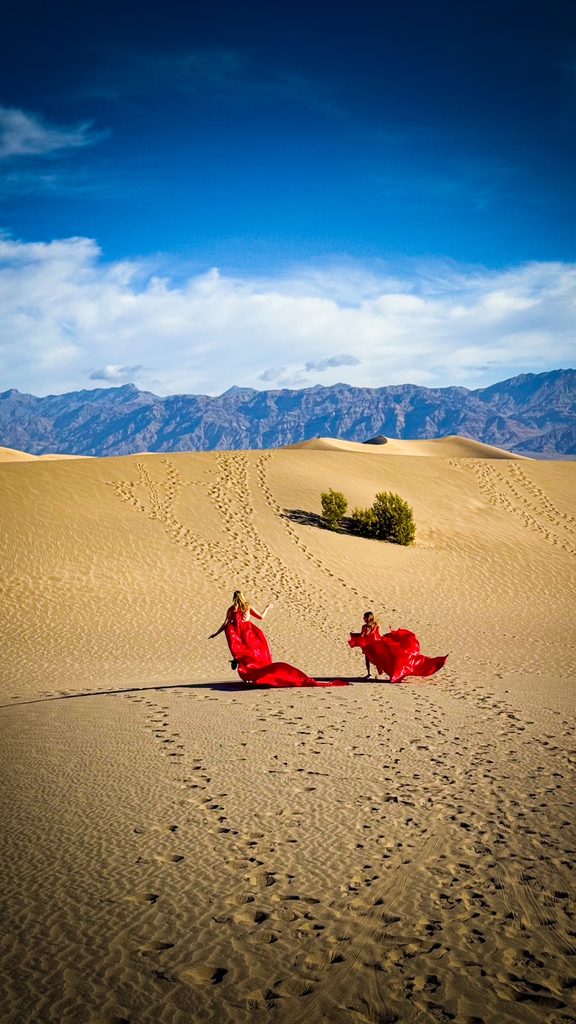
We opted for a mother-daughter flying-dress photo shoot here, which yielded gorgeous photos.
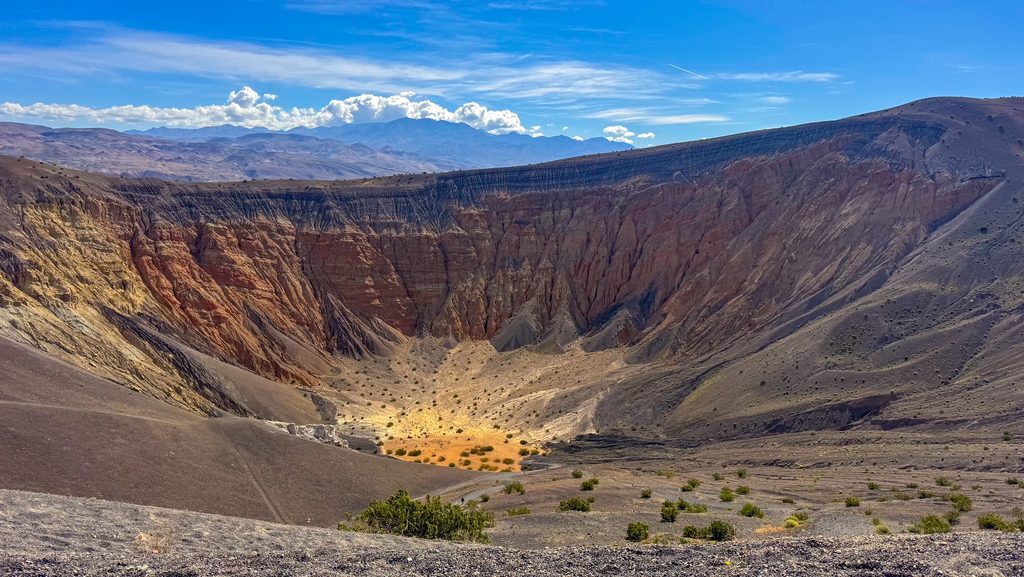
Stop 2: Ubehebe Crater
After hearing from Park Rangers and other visitors that we had to see Ubehebe Crater, we made the drive out to it. The Ubehebe Crater is a massive volcanic crater in the northern part of Death Valley. A powerful volcanic explosion formed the crater, and it’s nearly half a mile across, making it impressive even before you get out of the car.
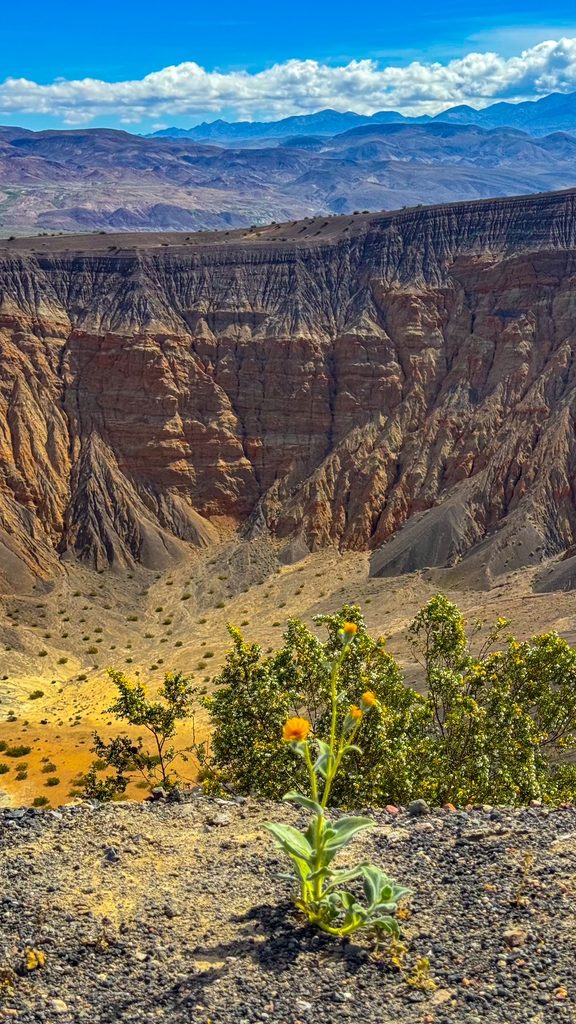
A trail circles the rim if you’re up for a longer walk, but with kids, you can simply walk to the overlook and take in the incredible views. The drive is longer than many of the park’s other attractions, but the dramatic landscape and sheer size of the crater make it a must!
Visitors can even hike down to the base of the crater, but be prepared to have to hike back up!
Stop 3: Explore Stovepipe Wells
Make your way to Stovepipe Wells for a little break from the sightseeing. This historic area is a convenient place to grab food, fuel up the car, use the restroom, and take a breather before continuing your day. It’s also a good reminder that Death Valley isn’t just about the landscapes—the park has a fascinating history tied to the people who lived, worked, and traveled through this remote desert.

Rest & Recharge
With us taking every afternoon to rest and swim, we started making friends with other families at the pool, so it became a daily event!
Evening: Stargazing at Badwater Basin
Pack the car with blankets, snacks, and flashlights to go stargazing at Badwater Basin. Once the sun goes down and the crowds disappear, Death Valley’s remote location and exceptionally dark skies create an incredible setting for epic stargazing.
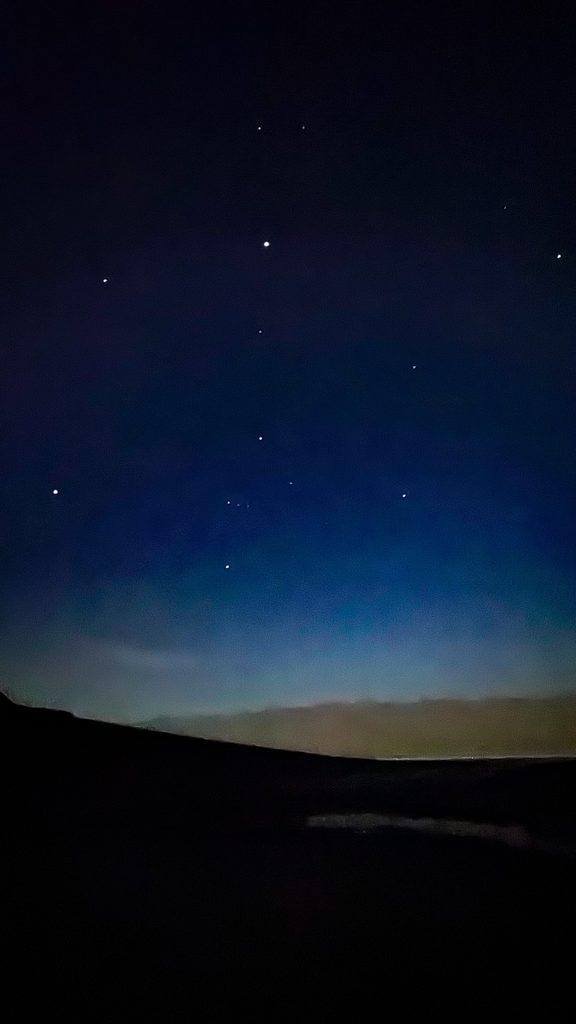
We loved seeing Badwater Basin transformed from the bright, otherworldly landscape we’d explored during the day into a completely different experience at night.
Tips For Stargazing
- Bring warm layers, even if the day was warm; desert temperatures can drop after sunset.
- Give your eyes time to adjust to the darkness.
- Check the moon phase and weather before you go. I recommend doing this at the beginning of your trip so you can pick the best day to go stargazing.
- Always follow park safety guidance when visiting remote areas after dark.
- Download the Stargazing app before you arrive
- Pack snacks and drinks
Family tip: Stargazing can be surprisingly exciting for kids. Let them look for constellations, planets, and shooting stars. It turns a quiet evening in the desert into its own little adventure.
Day Five: Dante’s Peak + Home
Dante’s View
On your way out of Death Valley, make a stop at Dante’s View, one of the most spectacular overlooks in the park. Sitting more than 5,000 feet above Badwater Basin, the viewpoint offers sweeping views across the valley floor, the salt flats, and the surrounding mountain ranges.
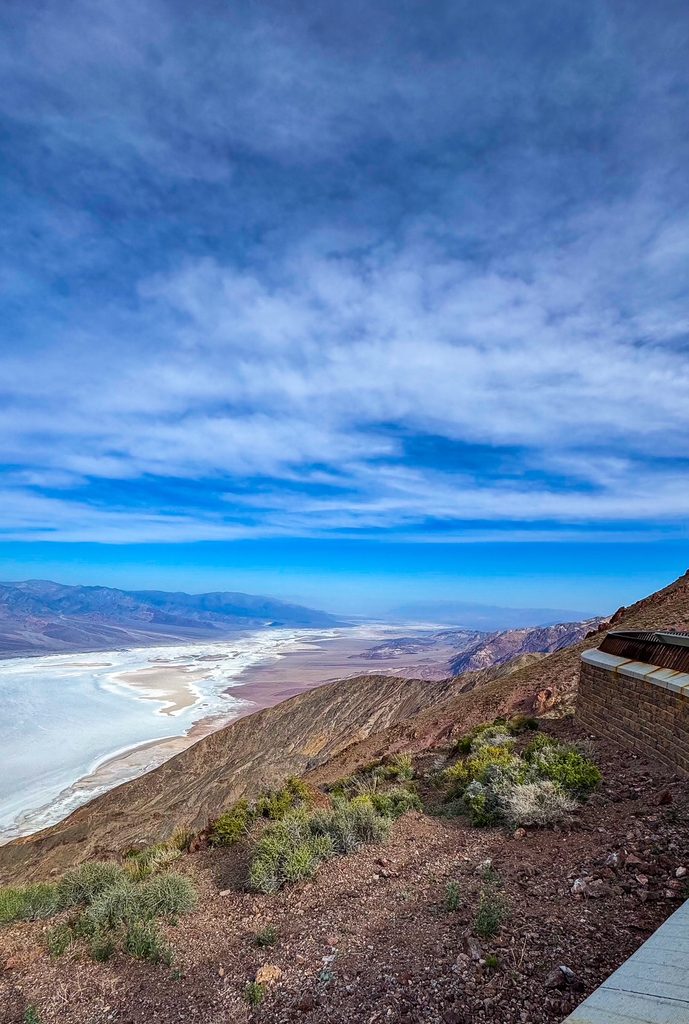
It gives you a completely different perspective of Death Valley and is an easy way to experience a huge payoff without a strenuous hike. The drive up is winding, but once you reach the top, you’ll find plenty of opportunities to take in the view and snap some family photos.
Tip: Bring a jacket; even when the valley below is warm, the elevation makes Dante’s View significantly cooler and windier.
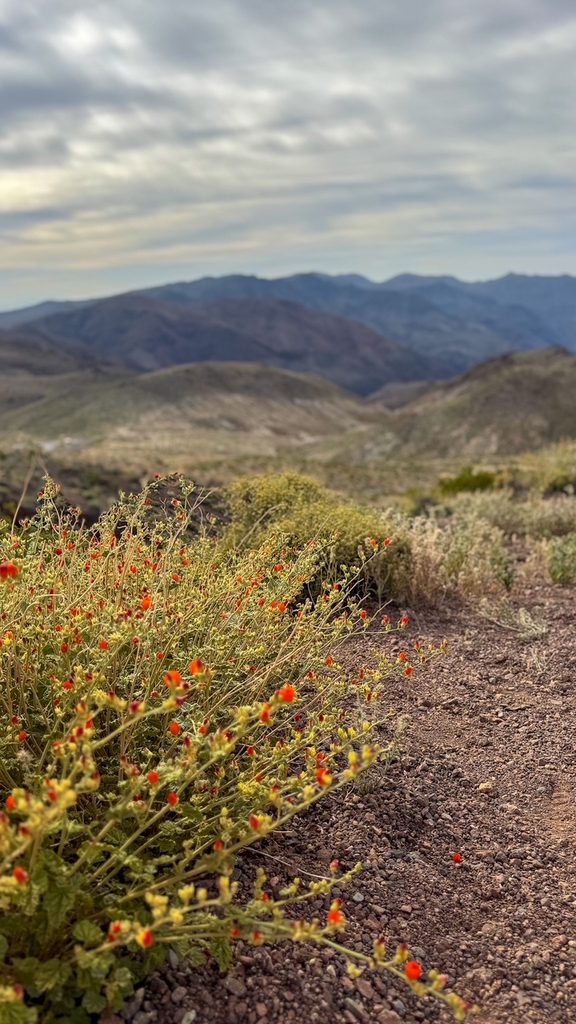
Death Valley is a place where you don’t have to hike for miles to experience something incredible. One minute you’re standing on salt flats, the next you’re surrounded by colorful mountains, walking through a canyon, standing beside a massive crater, or looking up at some of the darkest skies you’ve ever seen. And for kids, there’s something pretty magical about being able to experience all of that in one trip.
Looking for another great National Park to Visit over Spring Break? Visit the Dry Tortugas National Park while road tripping down the Florida Keys.
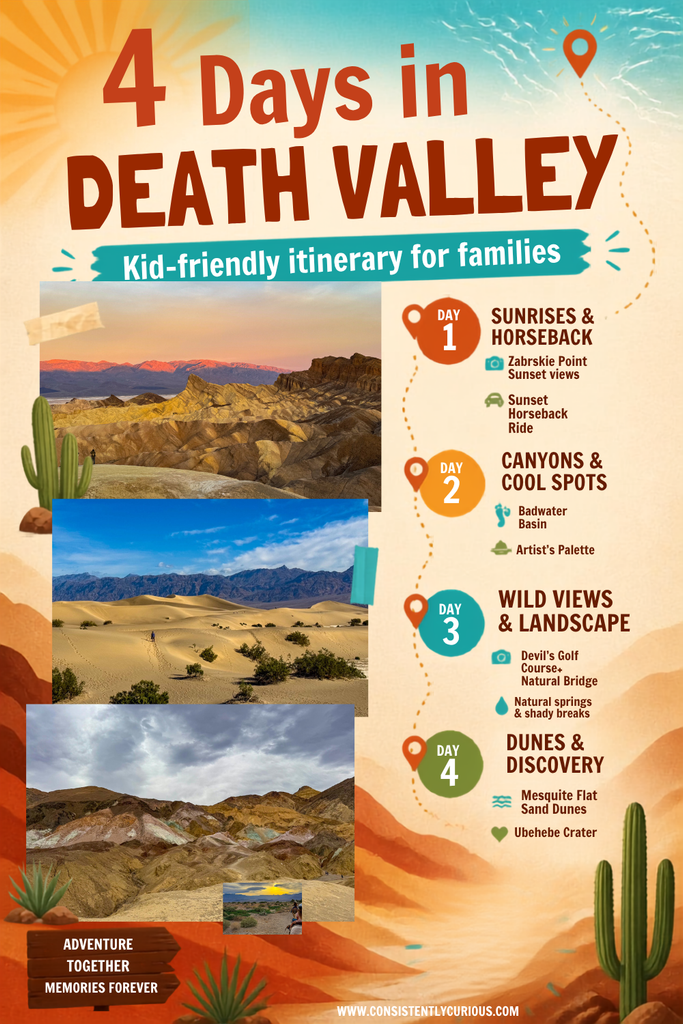
Save This For Later


You May Also Like
Mowbot Of Cincinnati: What To Expect When Using A Robotic Mowing Service

10+ Cozy Cabins in Hocking Hills Perfect for Families, Couples & Weekend Escapes
